How AI Is Transforming Modern Business Operations
Beyond the hype, practical AI is already removing repetitive work from everyday operations. A grounded look at where it helps, where it does not, and how to start safely.
Artificial intelligence has moved from research labs into everyday business software remarkably quickly. Large language models can draft text, summarise documents and hold natural conversations; other AI techniques classify data, detect anomalies and forecast demand. For small and mid-sized businesses the question is no longer whether AI is real, but where it is genuinely useful.
The most valuable applications tend to be unglamorous. They remove repetitive work, speed up responses and help people make better decisions with information they already have.
Customer support and enquiries
AI chatbots trained on a company's own content can answer common questions at any hour: opening times, pricing guidance, how a service works. Done well, they resolve simple requests instantly and hand complex ones to a human with the conversation context attached, so the customer never has to repeat themselves.
The key word is trained. A useful assistant is grounded in approved information — your FAQs, documentation and policies — and is designed to say when it does not know rather than invent an answer.
Turning unstructured information into data
Businesses receive a constant stream of emails, PDFs, forms and messages. AI can extract the important details — names, dates, order numbers, requested services — and turn them into structured records that flow into existing systems. Tasks that once meant copying and pasting between windows can become automatic.
Automating everyday workflows
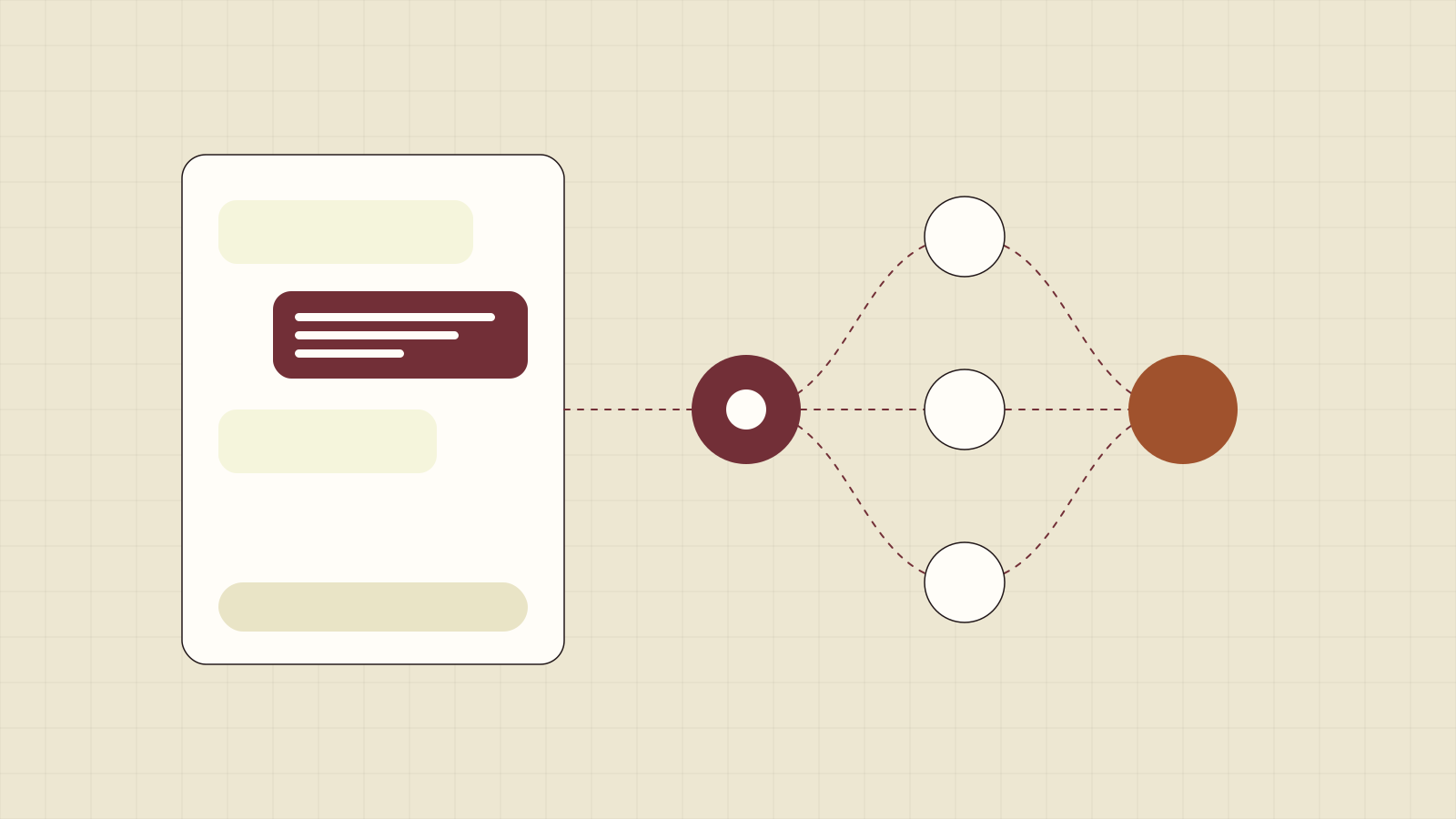
AI is most powerful when combined with conventional automation. A typical workflow might look like this:
- A new enquiry arrives through the website
- AI classifies the request and drafts a tailored reply for review
- The lead is created in the CRM with a summary and priority
- The right team member is notified in their chat tool
- A follow-up reminder is scheduled automatically
Each step is simple on its own. Together they shorten response times dramatically and ensure nothing is forgotten.
Decision support, not decision replacement
AI can summarise trends in sales data, highlight unusual transactions or condense long reports into key points. These capabilities help people focus their attention. They work best when the final judgement stays with someone who understands the business and can question the output.
Treat AI as a capable assistant: fast, tireless and occasionally wrong. Design every workflow with that in mind.
Risks worth taking seriously
Responsible adoption means planning for the limitations:
- Accuracy — language models can produce confident but incorrect answers, so ground them in your data and keep humans in the loop for consequential actions
- Privacy — understand where data is processed and avoid sending sensitive information to services that do not meet your obligations
- Transparency — tell customers when they are talking to an automated assistant
- Cost control — monitor usage, cache repeated work and set sensible limits
How to get started
Begin with one well-defined, repetitive process that costs your team time every week — answering the same questions, triaging enquiries or re-entering data. Measure how it works today, introduce AI for a single step, and compare. Small, measurable wins build confidence and reveal where to go next.
AI will not run a business on its own, but applied thoughtfully it gives teams back hours to spend on the work that genuinely needs people.