Architecture practice — Bristol
Buildings that age well.
Holm designs homes, workplaces and public buildings in timber, lime and brick — modest in carbon, generous in light, and built to be repaired rather than replaced.
Featured project
Coldharbour House
A family home on a steep, narrow plot. Three split levels follow the slope, so every room opens to the garden and the stair becomes the heart of the house.
- Location
- Bath, Somerset
- Area
- 214 m²
- Completed
- 2026
- Structure
- Cross-laminated timber
Interior references for Coldharbour HousePhotographs of other buildings, collected for the brief. Not this house.
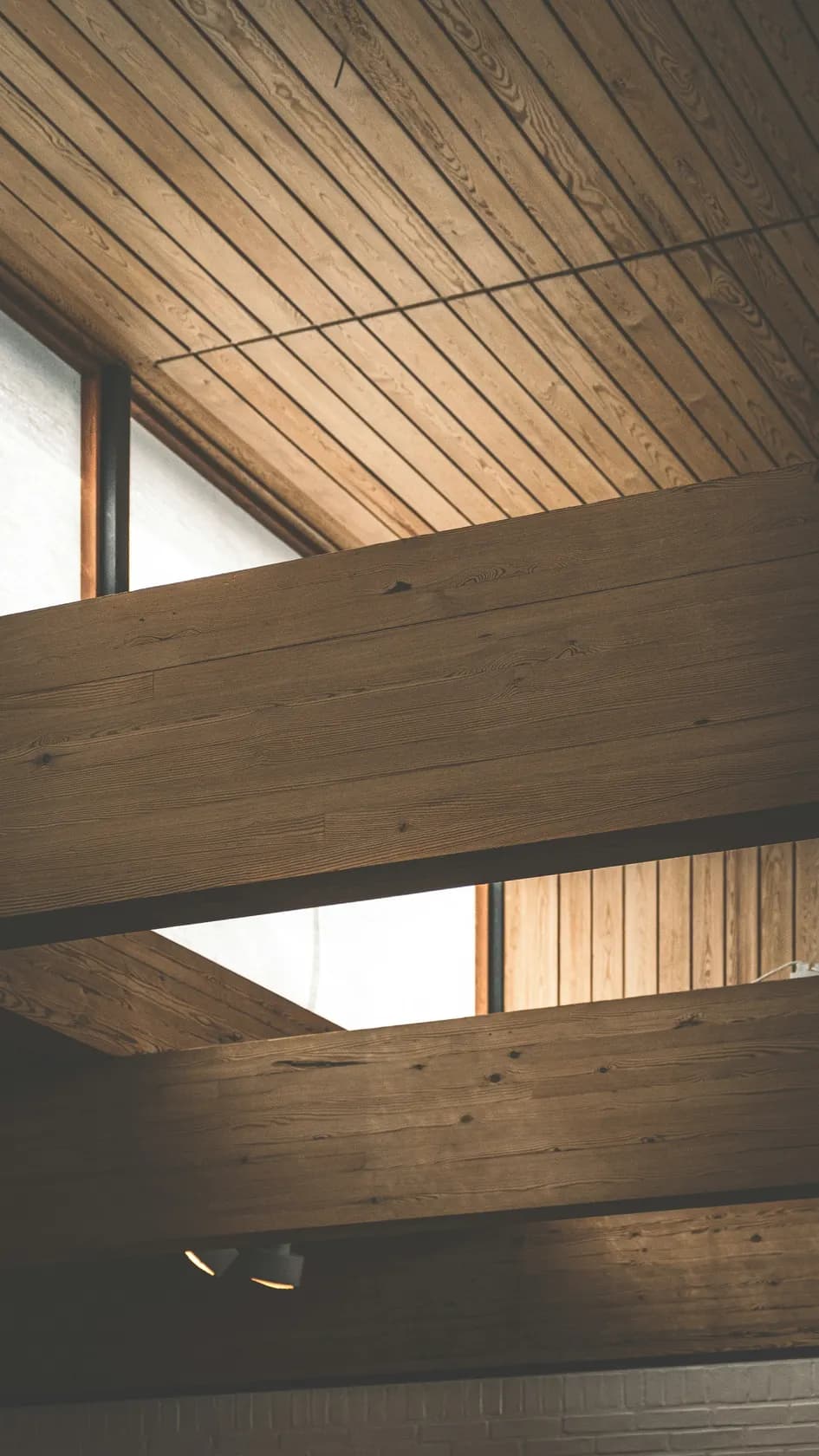
Daylight from above, framed in timber
Photo: Daniel Lorentzen / Unsplash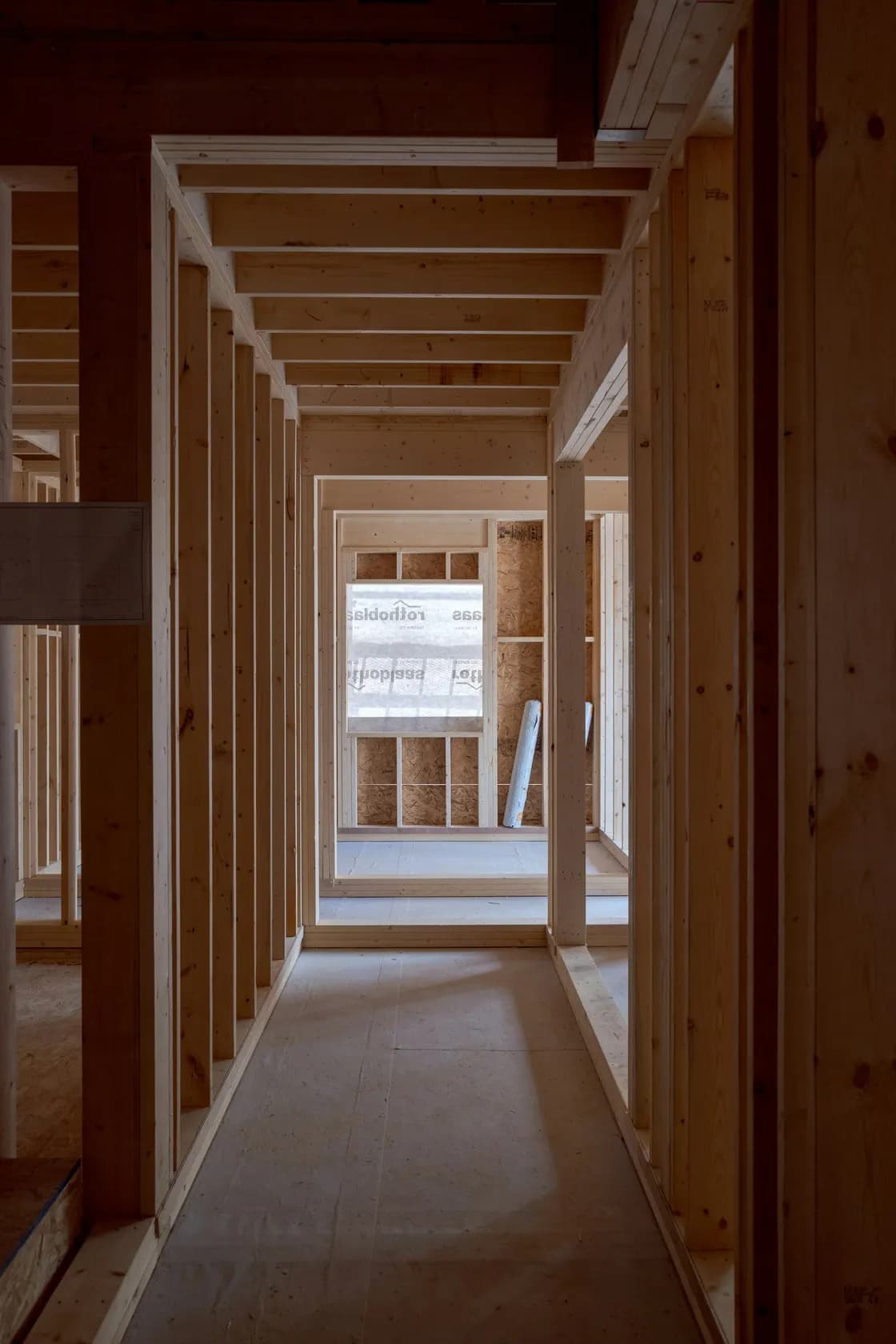
Structure left visible
Photo: rawkkim / Unsplash
Reading a site
Every project starts with precedents. Here is how we read one — five decisions that make a building belong where it stands.
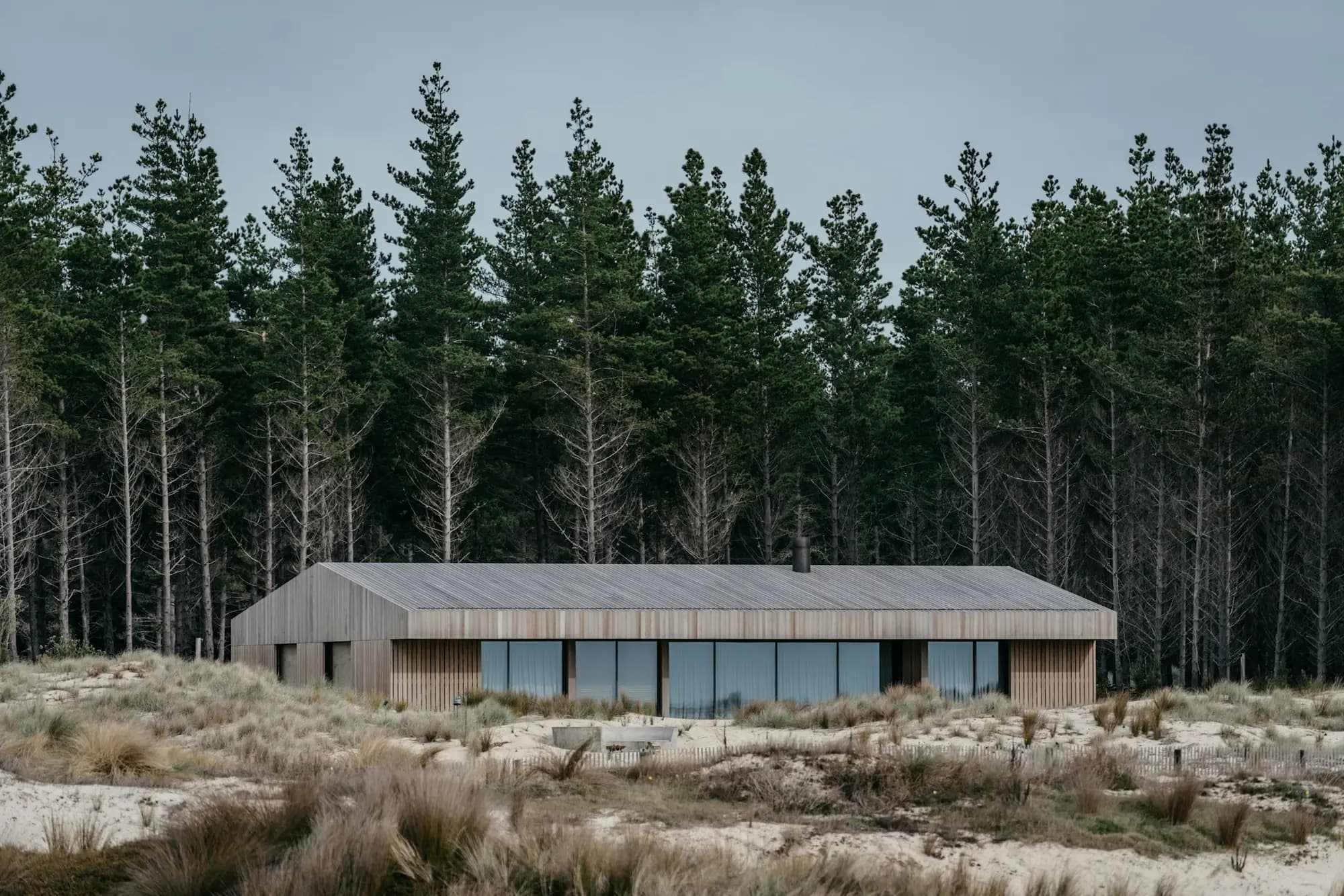
Shelter first
The pine belt breaks the wind before it reaches the house, so the building itself can stay light.
Under the canopy
One low roof stays below the tree line. The house settles into the landscape instead of standing against it.
Glass where the view is
Long glazing faces the open ground, set back under the eaves so high summer sun is shaded.
Boards that silver
Untreated vertical timber, left to weather evenly — no paint to renew, nothing to peel.
Ground left wild
Dune grass runs up to the walls. No lawn to maintain, and the habitat stays where it was.
Material studies
We choose materials for how they will look in twenty years and how they are mended, not for the day of handover.
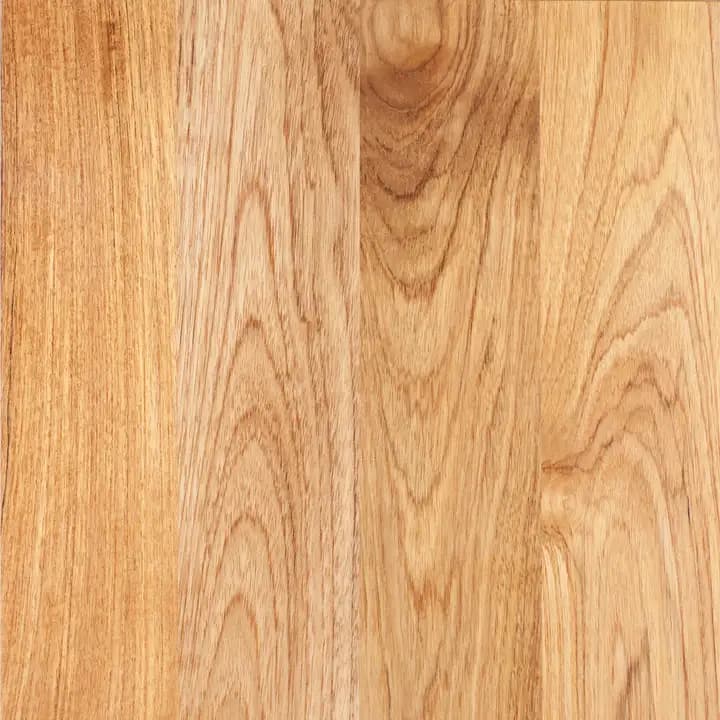
Timber, new
- Ageing
- Darkens, then silvers within a few years outdoors.
- Repair
- Single boards replaced; no whole-wall work.
- Source
- Home-grown or certified, specified by species.
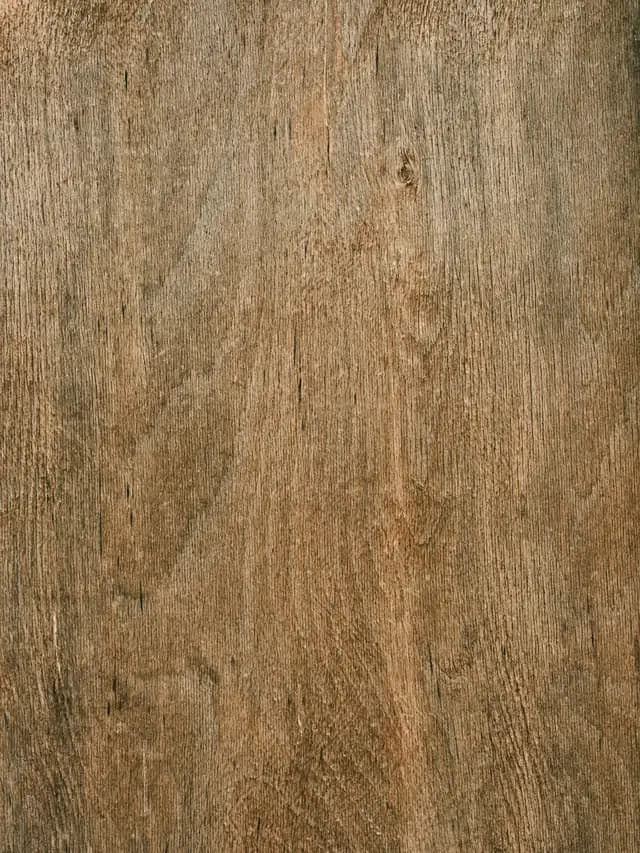
Timber, weathered
- Ageing
- This is the look we design for, not a defect to hide.
- Repair
- Sanded back or left; it keeps working either way.
- Source
- Reclaimed where the grade allows.
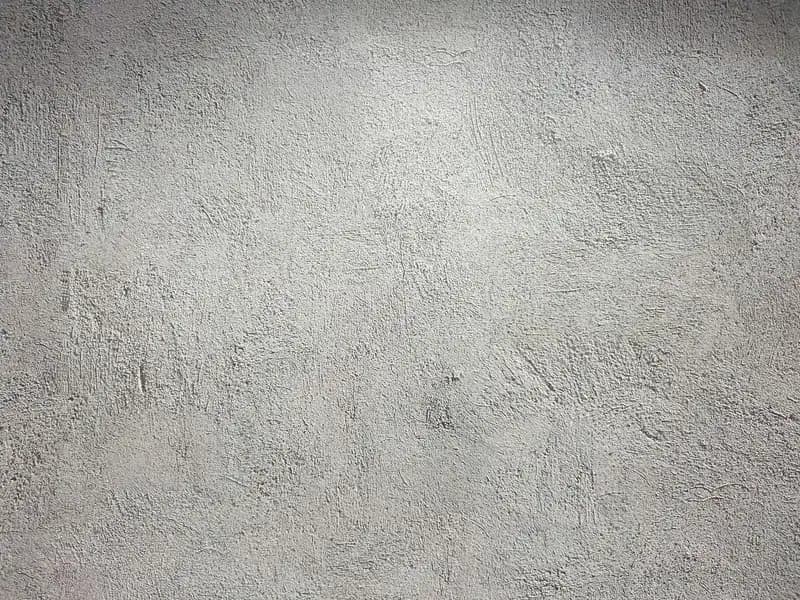
Plaster
- Ageing
- Lime finishes breathe and stay matt; hairline cracks heal over time.
- Repair
- Patched locally and limewashed to blend.
- Source
- Lime and local sand, mixed on site.
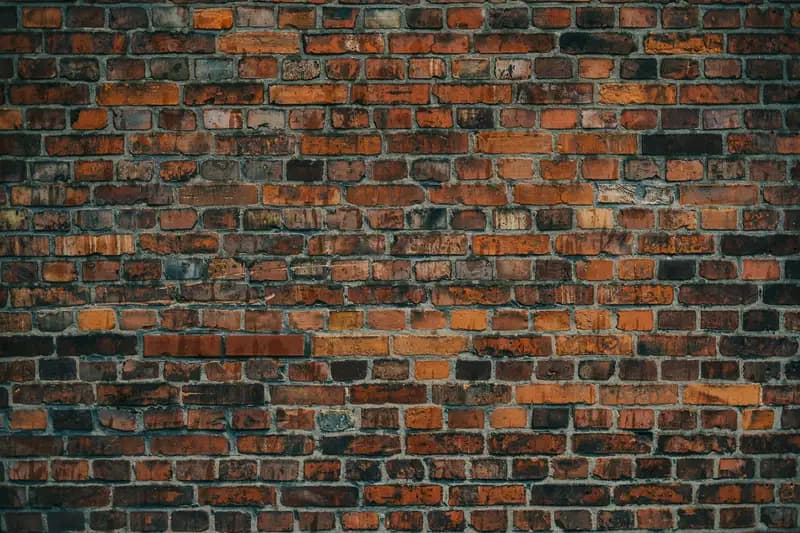
Brick
- Ageing
- Hardly at all — mortar is the part that weathers.
- Repair
- Repointed in lime, joint by joint.
- Source
- Reclaimed first; new only to match.
Project index
Recent and current work. Full drawings available on request.
| Year | Project | Type | Location | Status |
|---|---|---|---|---|
| 2026 | Coldharbour House | Residential | Bath | Complete |
| 2026 | Wye Valley Library | Cultural | Monmouth | On site |
| 2025 | Tannery Yard Studios | Workplace | Bristol | Complete |
| 2025 | Saltmarsh Bird Hide | Landscape | Severn Estuary | Complete |
| 2024 | Kingsdown Terrace | Residential | Bristol | Complete |
| 2024 | Hill Farm Barns | Adaptive reuse | Mendip Hills | Planning |
How we practise
- 01
Build less, better
The most sustainable building is often a smaller one. We start by questioning the brief.
- 02
Materials that age well
Timber, lime and brick that weather gracefully — and can be repaired, not replaced.
- 03
Measured in use
We return a year after handover to measure energy, comfort and what we’d change.