5 Must-Have Features for a Modern Business Website
A modern business website is a sales tool, a support desk and a brand statement at once. These five features separate sites that perform from sites that merely exist.
Every business needs a website, but not every website pulls its weight. Some exist only to confirm the company is real. Others actively bring in enquiries, answer questions and save staff time. The difference rarely comes down to budget. It comes down to whether a handful of fundamentals were built in from the start.
1. A clear message and an obvious next step
Visitors should understand what you do, who it is for and what to do next within a few seconds of landing. That means a specific headline rather than a slogan, supporting copy that speaks to the customer's problem, and one primary call to action that stays visible as they scroll.
Every page should have a purpose and a next step. A service page might lead to a consultation request; a case study might lead to a related service. Dead ends are lost opportunities.
2. Speed and solid technical foundations
Fast websites feel trustworthy and convert better. Modern frameworks such as Next.js can pre-render pages so they load almost instantly, while image optimisation serves the right size and format to each device. Behind the scenes, a technically sound site also means:
- HTTPS everywhere and sensible security headers
- Clean, descriptive URLs and correct metadata for search engines
- Structured data where it helps search results
- A stable layout that does not jump around as content loads
3. Lead capture that actually reaches you
Contact forms are often the most important feature on a business site — and among the most neglected. A good form asks only for what is necessary, validates input helpfully, protects against spam without punishing real people and confirms clearly what happens next.
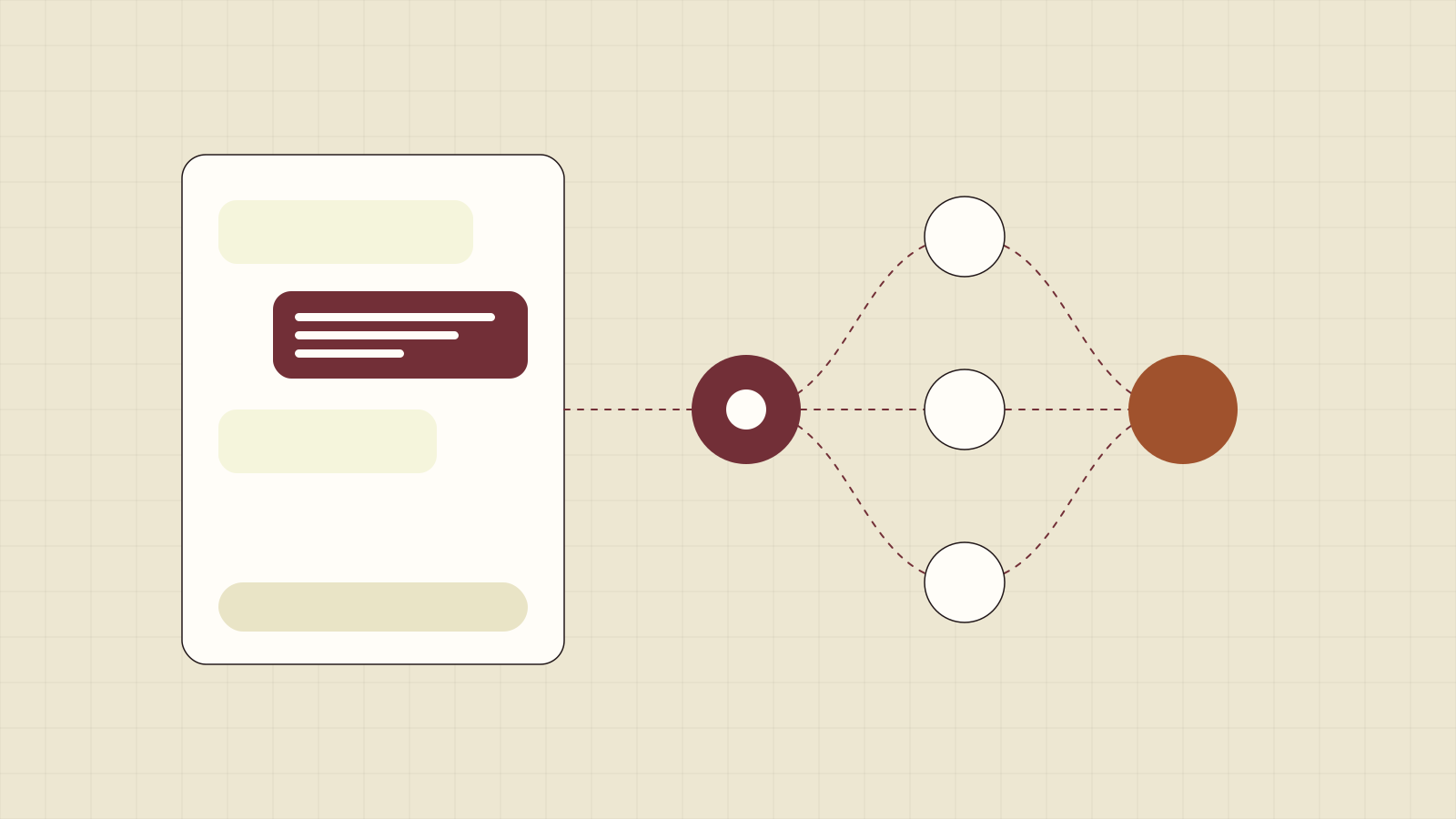
Just as important is what happens after submission. Enquiries should be stored reliably and routed to the right person or system — a CRM, a shared inbox, a team chat — so nothing slips through the cracks.
4. Proof that builds trust
People want evidence before they commit. Depending on your business that might be case studies, portfolio work, certifications, clear pricing guidance or transparent explanations of how you work. Whatever form it takes, proof must be genuine: invented testimonials or inflated numbers damage credibility the moment they are spotted.
Honest, specific proof beats impressive-sounding claims every time.
5. Content and tools you can manage and measure
A website is never finished. You will want to publish news, add services and refine messaging as you learn. Choose an architecture that lets you update content without breaking the design, and connect privacy-respecting analytics so decisions are based on real behaviour rather than guesswork.
Increasingly, modern sites also include smart helpers: an AI assistant that answers common questions, booking integrations or automated follow-ups. These are most valuable when they solve a real bottleneck rather than being added for novelty.
Bringing it together
None of these features is exotic, yet together they transform a website from a digital brochure into a dependable part of how the business wins and serves customers. If your current site is missing one or two, start with the feature closest to revenue — usually the message and the enquiry flow — and build from there.